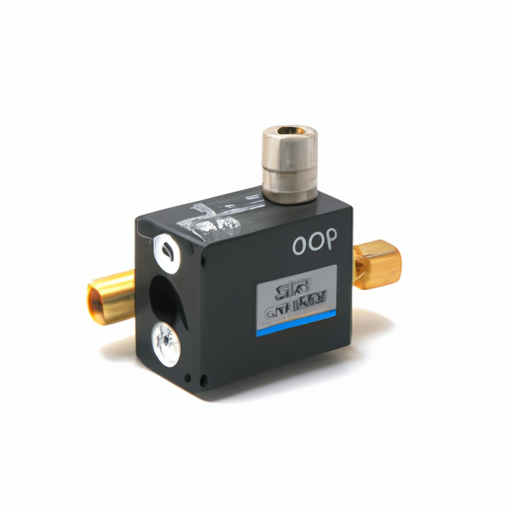

Resistance Temperature Detectors (RTDs) are precision temperature sensors that leverage the principle of electrical resistance variation with temperature changes. They are favored in numerous industrial and commercial settings due to their high accuracy, stability, and repeatability.
| 1. Basic Principle | |
| 2. Types of RTDs | |
| 3. Temperature Range | |
| 4. Accuracy and Stability | |
| 5. Calibration | |
| 1. Industrial Process Control | |
| 2. HVAC Systems | |
| 3. Automotive Industry | |
| 4. Aerospace and Defense | |
| 5. Medical Equipment | |
| 6. Energy Sector | |
| 1. Wireless RTD Technology | |
| 2. Integration with IoT | |
| 3. Miniaturization | |
| 4. Smart Manufacturing | |
| 5. Advanced Materials |
RTDs, including models like the CFR-25JB-52-130K, are essential technologies for accurate temperature measurement across various industries. Their high accuracy, stability, and adaptability to modern technologies such as IoT and wireless communication make them indispensable in advanced applications. As technology continues to evolve, RTDs are expected to undergo further innovations that will enhance their functionality and broaden their application scope, ensuring they remain at the forefront of temperature sensing technology.
Resistance Temperature Detectors (RTDs) are precision temperature sensors that leverage the principle of electrical resistance variation with temperature changes. They are favored in numerous industrial and commercial settings due to their high accuracy, stability, and repeatability.
| 1. Basic Principle | |
| 2. Types of RTDs | |
| 3. Temperature Range | |
| 4. Accuracy and Stability | |
| 5. Calibration | |
| 1. Industrial Process Control | |
| 2. HVAC Systems | |
| 3. Automotive Industry | |
| 4. Aerospace and Defense | |
| 5. Medical Equipment | |
| 6. Energy Sector | |
| 1. Wireless RTD Technology | |
| 2. Integration with IoT | |
| 3. Miniaturization | |
| 4. Smart Manufacturing | |
| 5. Advanced Materials |
RTDs, including models like the CFR-25JB-52-130K, are essential technologies for accurate temperature measurement across various industries. Their high accuracy, stability, and adaptability to modern technologies such as IoT and wireless communication make them indispensable in advanced applications. As technology continues to evolve, RTDs are expected to undergo further innovations that will enhance their functionality and broaden their application scope, ensuring they remain at the forefront of temperature sensing technology.